
Every year around late spring, the same question starts circulating again: when exactly is Men’s Mental Health Month? It’s a reasonable thing to wonder, because unlike Breast Cancer Awareness Month or general Mental Health Awareness Month in May, this one doesn’t have a single date that everyone agrees on. Two different months get cited depending on the source. Here’s the straightforward answer, plus the reasoning behind the mix-up and why the cause itself deserves more attention than the calendar confusion suggests.
When Is Men’s Mental Health Month?
In the United States, June is the month most widely recognized as Men’s Mental Health Month Awareness. Mental Health America, one of the oldest mental health advocacy organizations in the country, has championed June for this purpose, and the International Men’s Health Month initiative follows the same window. June also lines up with International Men’s Health Week, which typically falls the week leading into Father’s Day, so the entire month carries a dual focus: physical checkups and emotional wellbeing addressed side by side.
That’s the short version. But if you’ve also seen campaigns, hashtags, or articles pointing to November, you haven’t stumbled onto bad information. There’s a real reason for that overlap, and it has its own history worth understanding before picking a side.
The Origins of Men’s Health Month in June
Men’s Health Month traces back to 1994, when it was formally established in the US through a congressional resolution. The original intent was broader than mental health specifically; it aimed to spotlight preventable health problems among men and encourage earlier detection and treatment across the board, from heart disease to cancer screenings.
Over the past decade or so, the conversation inside Men’s Health Month has shifted noticeably toward mental health, largely a response to how disproportionately suicide and untreated depression affect men compared to women.
Why November Also Comes Up
November’s connection comes mostly from Movember, the global campaign built around growing mustaches throughout the month to fund research and raise awareness for prostate cancer, testicular cancer, and Men’s Mental Health Month and suicide prevention.
Movember isn’t formally titled “Men’s Mental Health Month,” but because it puts so much weight behind the mental health piece of men’s wellbeing, plenty of people associate November with the cause just as strongly as June. In the United Kingdom and Australia especially, November carries even more weight, with some local campaigns using “Men’s Mental Health Month” language for that exact time of year.
So, Is It June or November?
If you need one answer for a calendar, a workplace newsletter, or a quick reference, go with June. It carries the older, more formal recognition in the US and is the version cited by Mental Health America and most public health organizations. November remains genuinely worth observing too, particularly given Movember’s global reach, but it’s better understood as a second, complementary wave of awareness rather than the original or strictly “offficial” one.
Why This Conversation Actually Matters
The case for any of this awareness comes down to numbers that are hard to look past. According to the American Foundation for Suicide Prevention, men die by suicide at nearly four times the rate of women, and suicide remains one of the leading causes of death among men under 35 in the US. Despite this, men are statistically far less likely to seek professional help.
Roughly one in ten men experience some form of depression in a given year, yet less than half ever pursue treatment for it. That gap between how often men struggle and how rarely they reach out for support is really the entire reason awareness months like this exist in the first place.
The Barriers That Keep Men From Speaking Up
Ask any mental health professional why this gap persists, and stigma comes up almost immediately. Cultural expectations around masculinity, things like “toughing it out” or never appearing weak, still discourage a lot of men from admitting they’re struggling, let alone asking for help.
Certain occupations compound this further. Military service is a clear example; a large majority of US veterans are men, and conditions like PTSD show up at elevated rates within that population. On top of the cultural pressure, there’s a more practical issue: many men genuinely don’t recognize depression in themselves until it has been building for months or even years, because the early symptoms get written off as stress, tiredness, or just a rough patch.
Conditions That Often Go Unaddressed in Men
Depression and generalized anxiety are the most commonly discussed, but they’re far from the only conditions that tend to go unreported among men. PTSD shows up frequently among veterans and first responders, often presenting as irritability or hypervigilance rather than visible distress.
Substance use disorders are also more common as a coping mechanism in men than in women, partly because alcohol and self-medication carry less social stigma than therapy does in many circles. Anger and increased risk-taking, too, are frequently overlooked as depression symptoms simply because they don’t match the stereotype of what depression is supposed to look like.
Recognizing the Warning Signs
Mental health struggles don’t always look like sadness. In men particularly, they often show up sideways, through irritability, anger, or behavior that seems disconnected from any obvious emotional cause. A few patterns worth paying attention to, whether in yourself or someone close to you:
- Increased irritability, anger, or uncharacteristic aggression
- Withdrawing from friends, family, or activities once enjoyed
- Leaning on alcohol or other substances more than usual
- Ongoing fatigue, aches, or physical complaints with no clear medical cause
- Noticeable shifts in sleep or appetite
- Trouble concentrating or making everyday decisions
- Talking about feeling trapped, hopeless, or like a burden to others
If several of these show up at once and stick around for more than a couple of weeks, it’s worth treating that as a real signal rather than a passing phase.
How to Support the Men in Your Life
Supporting someone through this doesn’t require a clinical background. Often it’s smaller and more direct than people expect:
- Ask directly and specifically; “how are you really doing?” tends to land better than a generic “you good?”
- Listen without immediately trying to fix or minimize what they share
- Avoid comparing struggles (“at least it’s not as bad as…”)
- Offer practical help, like finding a therapist or sitting with them during a first call
- Keep checking in afterward; one good conversation rarely resolves something that’s been building for a while
Daily Habits That Genuinely Support Mental Wellbeing
Awareness months are useful for sparking conversation, but day-to-day habits are what actually move the needle for most people. Regular movement is one of the most consistently backed tools for managing stress and low mood, and it doesn’t require a gym membership or an elaborate routine. Even having a few simple home fitness items on hand, the kind that support quick, low-pressure workouts, can make it easier to stay consistent on the days motivation is hardest to find.
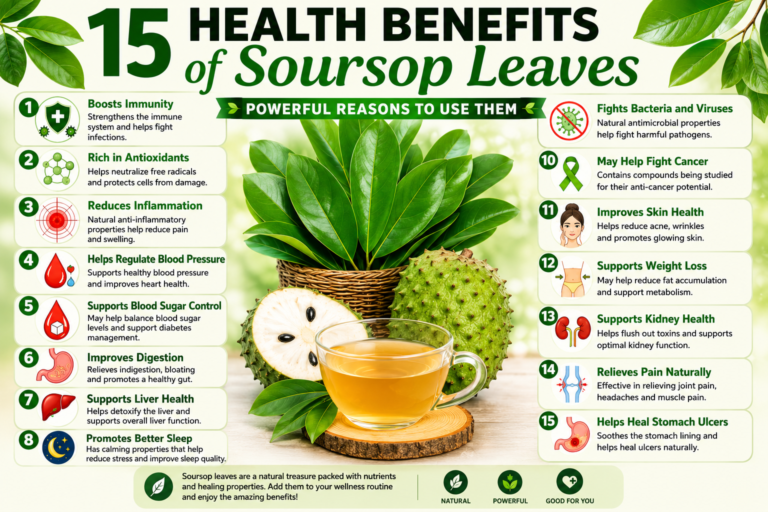
Diet plays a role too, even if it gets less attention than exercise in this conversation. Some people incorporate natural, food-based options into a broader wellness routine, including soursop leaves, which have been studied for properties that may support relaxation and general wellbeing alongside more conventional care. None of this replaces professional treatment when it’s needed, but small, sustainable habits genuinely do compound over time.
Where to Turn for Help
If you or someone you know is dealing with ongoing depression, anxiety, or thoughts of suicide, professional support matters more than any single habit or awareness campaign. The 988 Suicide & Crisis Lifeline is available by call or text in the US at any hour. Organizations including the National Alliance on Mental Illness, the American Foundation for Suicide Prevention, and Mental Health America all offer free resources, helplines, and tools for finding a therapist who’s the right fit.
Frequently Asked Questions
Final Thoughts
Whichever month sparked your interest, whether that’s June or back in November, the real goal isn’t getting the date exactly right. It’s making space for a conversation that a lot of men still don’t feel comfortable starting on their own. A short check-in, a shared resource, or simply asking “how are you, really” can do more for someone than any calendar designation ever could.